Pollinator-Friendly Borders: Comparing Planted Perennial Clumps and Direct-Seeded Meadow Strips
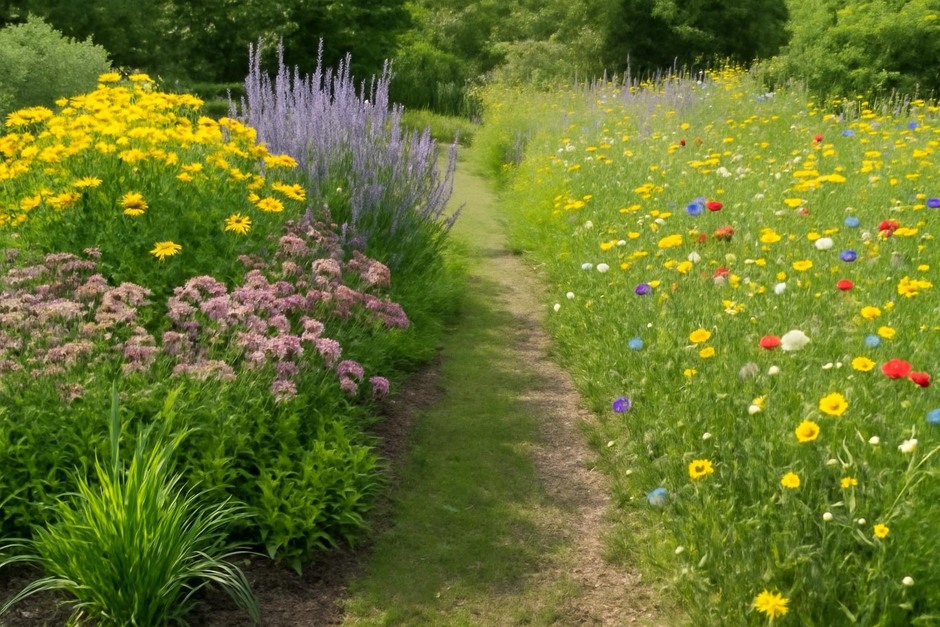
Creating a pollinator-friendly border is one of the most rewarding ways to add life and color to a yard while keeping maintenance manageable. Two common approaches suit small properties and larger plots alike: planting groups of native perennials in clumps, or establishing a direct-seeded meadow strip with a wildflower/grass mix. Below is a clear comparison of each approach followed by guidance to help you choose and a short, repeatable routine to keep your new border healthy.
Approach 1: Planted Native Perennial Clumps
This approach uses nursery-grown plugs or potted plants of native species set in repeated groups or drifts along the border. Typical species include coneflowers, asters, salvia, native grasses and other long-lived perennials.
Pros
- Fast visual impact: Plants establish quickly and fill in within a season or two.
- Predictability: You control species placement, bloom timing, and color balance.
- Weed control: Thicker root systems suppress weeds more quickly than seedings.
Cons
- Higher initial cost: Buying plugs or potted plants is pricier than seed.
- Labor at planting: More hands-on time is needed to plant and water until established.
- Limited spontaneity: Less room for surprise volunteers or shifting species mixes.
Best for
Gardeners who want quick results, predictable design, and are willing to invest a bit more up front. It’s ideal for small yards, front borders, and places where you want a tidy appearance.
Approach 2: Direct-Seeded Meadow Strips
Direct seeding involves sowing a mix of wildflower and grass seed across a prepared strip. This mimics a natural meadow and relies on seed germination and natural selection to shape the stand.
Pros
- Lower cost: Seed mixes are generally inexpensive for covering larger areas.
- Natural look: A meadow strip offers seasonal variety and more ecological niches for insects.
- Scale-friendly: Works well for longer borders and larger sites where planting plugs would be time-consuming.
Cons
- Slower establishment: It may take two or more seasons for a full, diverse stand to form.
- Early weeding: Seedlings compete with annual weeds, requiring vigilant control during the first year.
- Unpredictability: Germination rates and species balance vary by season and soil conditions.
Best for
Gardeners working with longer stretches of border, public-facing strips, or those who prefer a looser, meadow-like aesthetic and are patient through the establishment phase.
How to Choose Between Them
Compare these four considerations to decide which approach fits your site and lifestyle:
- Time to impact: Need color and structure quickly? Choose planted clumps. If you can wait for natural development, seeded meadows reward patience.
- Budget: For tight budgets across long lengths, seed is more economical. For focal areas, plugs may be worth the cost.
- Maintenance tolerance: If you prefer predictability and early weed suppression, choose planted clumps. If you enjoy seasonal change and don’t mind some early weeding, seed is fine.
- Design goals: Want a controlled palette and tidy edges? Planted clumps. Want a flowing, informal edge that supports diverse insects? Seed mixes are better.
Short Repeatable Routine (Beginner-Friendly)
Use this simple routine whether you plant plugs or sow seed. It’s split into an easy establishment phase (first year) and a low-maintenance ongoing phase.
Establishment Phase — First Year
- Weekly, first two months: Spend 10 minutes watering young plants or keeping seeded soil consistently moist after sowing. Lightly tamp seed and avoid heavy foot traffic.
- Monthly, months 3–12: Spend 20–30 minutes weeding visible annuals. For seedings, remove tall weeds before they set seed. For plugs, check for gaps and add a few plants if spots fail.
- Fall: Cut back dead annual weeds and remove debris. For seeded strips, a light raking helps expose seed for next year.
Ongoing Seasonal Routine — Years 2 and After
- Spring (one short visit): Spend 15–30 minutes removing winter debris and assessing plant health.
- Summer (quick weekly check): 5–10 minutes to glance for invasive weeds and pick off problem plants.
- Autumn (annual task): Spend 30–45 minutes cutting back perennials to tidy the edge and leaving some seedheads for winter wildlife if desired. For meadow strips, a late autumn cut-and-remove helps maintain diversity.
Both approaches support pollinators and enrich a garden’s character. Choose the one that matches your patience, budget, and desired look, then follow the short routine above to keep the border healthy and inviting season after season.