An Autumn Herb Sanctuary: Step-by-Step Balcony Garden for Small Spaces
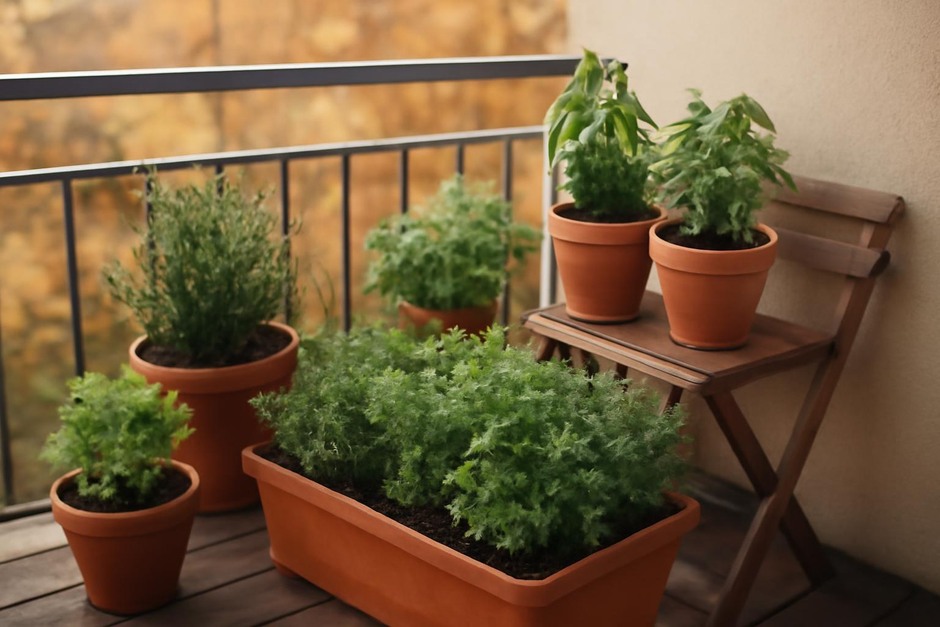
Autumn is an ideal time to plant herbs on a balcony: temperatures are milder, pests slow down, and the cooler weather encourages steady root growth. This guide walks you through a step-by-step method to make a compact, useful herb sanctuary, then offers variations for different light conditions and practical troubleshooting for common issues.
Step-by-step method
-
Assess space and light.
Spend two sunny days observing your balcony at different hours. Note where direct sun falls and where shade hangs late into the day. Most common culinary herbs prefer 4–6 hours of sun; some tolerate less. Also measure the width and depth of potential container spots so you can choose compatible pots.
-
Choose containers and drainage.
Pick containers with drainage holes. For a small cluster, 20–25 cm (8–10 in) pots work for single plants; a long trough or window box (at least 20 cm deep) suits several plants. Place saucers under pots to protect decking, but remove excess water after rain to avoid soggy roots.
-
Select soil and amendments.
Use a high-quality potting mix (not garden soil) that drains well. Mix in a handful of compost and a small amount of slow-release organic fertilizer if you want steady feeding through the season. For thyme and rosemary, add a little grit or perlite to improve drainage.
-
Pick herbs for autumn resilience.
Good choices: parsley, chives, sage, thyme, oregano, mint (contain in its own pot), and winter savory. If you want fresh flavor, include a small pot of basil—but be aware basil is frost-sensitive and may only last until first hard frost.
-
Plant thoughtfully.
Fill containers with soil, leaving about 3 cm at the rim. Plant established young plants or sow seeds according to packet instructions. Group herbs with similar water and sun needs together—for example, Mediterranean herbs (rosemary, thyme, oregano) in one pot and moisture-loving herbs (parsley, chives) in another.
-
Water and initial care.
After planting, water thoroughly until water runs from the drain holes. Thereafter, allow the top 2–3 cm of soil to dry before watering again for sun-loving herbs; keep soil slightly more moist for parsley and chives. Reduce watering frequency as temperatures cool.
-
Position and protect.
Place pots where they get the planned light and are sheltered from strong winds. As nights cool, bring sensitive pots closer to the house wall for residual heat. If a sudden cold snap is forecast, move small pots indoors or cover with a lightweight frost cloth overnight.
-
Harvest and maintain.
Harvest regularly to encourage bushier growth—pinch tips rather than cutting large stems. Remove yellowing leaves and trim back any leggy growth. For herbs you want to overwinter, trim lightly in late autumn after several frosts have passed.
Variations
-
Shady balcony version.
If your balcony gets under 3 hours of sun, choose shade-tolerant herbs like mint, lemon balm, chervil, and parsley. Use larger pots so soil retains moisture longer, and reduce watering frequency to avoid root rot.
-
Windowsill or indoor version.
Translate the project to an indoor shelf with a south- or west-facing window. Use smaller pots and supplement light with a low-wattage grow lamp if available. Keep basil and chives near the brightest spot.
-
Vertical or railing planters.
Use stackable pockets or railing boxes to maximize space. Plant trailing varieties like oregano and thyme on the outer edge, and keep upright herbs (parsley, chives) in the back for easy harvest.
-
Edible-flower accent.
Add a pot of calendula or nasturtium for color and edible blooms that attract beneficial insects and brighten autumn dishes.
Troubleshooting
-
Problem: Leggy, floppy herbs.
Solution: Move the pot to a sunnier spot, pinch back long stems to promote branching, and avoid over-fertilizing—excess nitrogen encourages soft growth.
-
Problem: Yellowing leaves and poor growth.
Solution: Check watering. Yellow lower leaves often indicate wet roots or nutrient deficiency. Improve drainage, reduce watering, and add a light feed of balanced organic fertilizer if needed.
-
Problem: Slugs, snails, or small chewing pests.
Solution: Handpick in the evening, place shallow beer traps, or use copper tape around pot rims. Encourage birds and slow-moving predators by leaving a small dish of water nearby.
-
Problem: Frost damage.
Solution: For tender herbs, move pots indoors before frost or wrap them in frost cloth overnight. Hardy herbs like thyme and sage tolerate light frost but benefit from a dry, sheltered position.
-
Problem: Mint taking over containers.
Solution: Keep mint in its own pot and trim roots annually. Re-pot into fresh soil to refresh nutrients and check root confinement.
With a few well-chosen pots, the right soil, and seasonal care, your balcony can supply fresh, aromatic herbs through autumn and beyond. Start small, observe how the microclimate behaves, and adapt the variations above to make the garden work for your everyday routine.